
If you’re trying to buy X-ray film for a clinic, hospital, veterinary practice, or industrial testing operation, you’ve probably noticed the market is confusing. Some sellers list film by the box at retail markup. Others are distributors reselling stock they don’t fully understand. And a few — like manufacturers — sell straight from the source, which usually means better pricing, more consistent supply, and someone who actually knows the product answering your questions.
This guide covers what to look for before you buy, where manufacturer-direct purchasing fits into the picture, how to evaluate a supplier, and what to keep in mind once the film actually arrives — from handling and digital compatibility to specialized applications, cost-effective purchasing habits, and compliance basics.
Table of Contents
The Problem with Buying Through a Distributor
If you’re trying to figure out where to buy X-ray film without overpaying a distributor’s markup, you’re likely already running into the usual frustrations: paying extra for a middleman who didn’t manufacture the film, doesn’t control the supply chain behind it, and often can’t explain why one batch behaves slightly differently from the last. That’s not a hypothetical inconvenience — it shows up as inconsistent density, unexpected artifacts, or a printer that suddenly needs re-calibrating for no clear reason.
There’s a second, quieter cost most buyers don’t think about until it hits them: dependency. When you buy from a distributor, your imaging schedule is tied to their inventory, not yours. If their supplier is delayed, if a shipment gets held up, or if they’ve simply deprioritized your account size, your clinic or hospital absorbs that disruption. You didn’t create the bottleneck, but you’re the one waiting on film while patients wait on you.
And when something does go wrong — a batch that doesn’t perform the way it should, a compatibility issue with your imager — a distributor’s sales desk can usually only pass your question up the chain. They didn’t build the film. They can’t tell you what changed in production, or whether a different film type would solve the problem outright.
None of this is a knock on distributors as a category — for the right buyer, they serve a purpose. But if reliability, consistency, and direct answers matter more than the convenience of a single local contact, there’s a more direct route worth knowing about.
Factors to Consider When Buying X-ray Film

Before you buy X-ray film from anyone, it helps to know what you’re actually shopping for. Price is the easiest thing to compare, but it’s rarely the most important factor once you account for compatibility, consistency, and support.
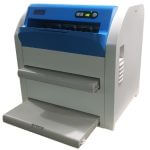
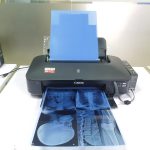
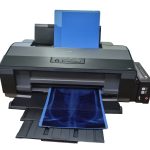
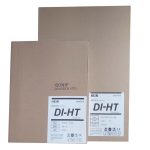
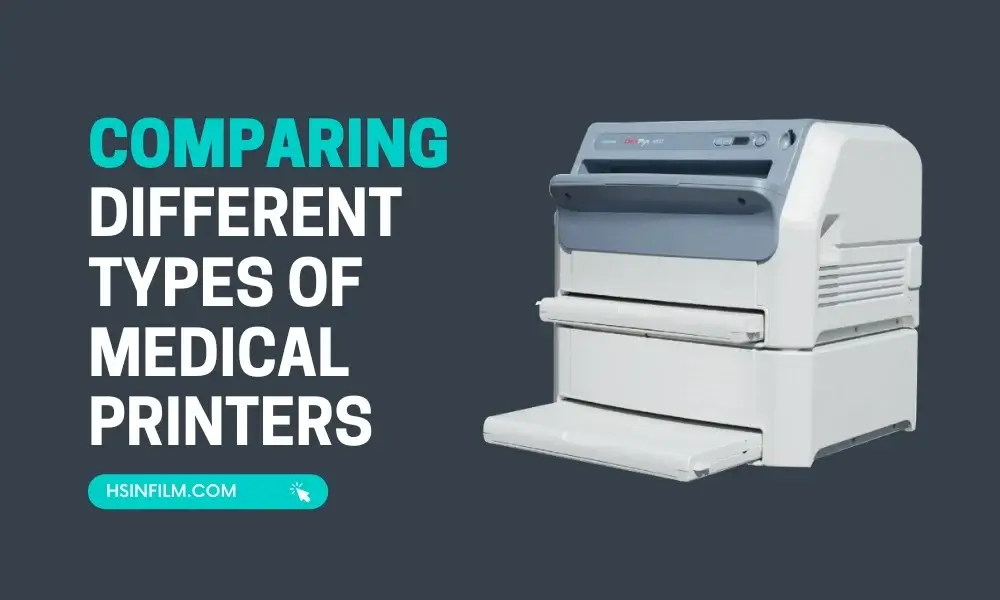
Film Type: Dry laser film, thermal film, and conventional wet-processed film are built differently and aren’t interchangeable. Dry laser film is designed for laser imagers that don’t require chemical processing. Thermal film uses heat-based development, often in compact printers. Conventional film requires a wet processor with developer and fixer chemistry. Buying the wrong type for your equipment isn’t a minor mismatch — it simply won’t run.
Sheet Size and Format: Even within a single film type, sizes vary — common medical formats range from small dental sizes up to large-format sheets used for chest or full-spine imaging. Confirm the exact dimensions your imager or processor accepts, including any tolerance for thickness, since some printers are sensitive to base thickness variation.
Order Volume and Frequency: How much film you use per month affects both the pricing you should expect and which suppliers can realistically serve you. A high-volume hospital department has very different options than a single-provider dental office ordering a few boxes a year.
Storage and shelf life. Film is a dated, sensitive product. Heat, humidity, light exposure, and pressure during storage and transit can all degrade image quality before the film is ever used. How a supplier stores and ships film before it reaches you matters as much as how you store it afterward.
Support and traceability. Can the seller answer technical questions about compatibility with your specific imager or processor? Can they tell you where and when the film was produced? A seller who can’t answer either question is a sign you’re several layers removed from the actual manufacturer.
Total Cost, Not Just Unit Price: Shipping, minimum order requirements, payment terms, and the risk of receiving film with a shorter usable shelf life all factor into the real cost of a purchase — not just the price printed per sheet or per box.
Buying direct from the manufacturer touches nearly all of these factors. You’re working with the people who formulate, coat, and test the film, which means clearer answers, fewer distribution layers, and a supply chain you can actually trace back to the source.
Types of Medical X-Ray Film Compared: Dry, Thermal & Laser (Buyer’s Guide)
Where to Buy X-ray Film
There are generally three paths buyers take when sourcing X-ray film, and each suits a different kind of buyer and order pattern.
Manufacturer-Direct
Manufacturer-direct is the right path if you order regularly and want predictable, production-cost-based pricing without an added distribution markup. It’s the least convenient option for a single, small, one-off purchase, since manufacturers are typically set up for ongoing bulk orders rather than one-box retail transactions. Most manufacturers work against a minimum order quantity (MOQ) and offer quote-based pricing rather than a fixed shopping-cart price, because cost depends on film type, sheet size, order volume, and shipping destination.
The tradeoff for the extra step of setting up an account is real: you’re closer to production cost, you get direct access to technical knowledge about the product, and you build a relationship that can flex with your volume over time.
Authorized Distributors
Authorized distributors are a reasonable middle ground for many buyers. They often carry manufacturer stock and can fulfill smaller or more localized orders, sometimes with faster regional shipping and lower order minimums than going direct. The tradeoff is a markup layered onto the manufacturer’s price and, in some cases, less direct access to the manufacturer’s own technical team when a compatibility or quality question comes up.
Distributors can be a good fit if your volume doesn’t yet justify a direct manufacturer account, or if you need faster regional fulfillment than a manufacturer can offer for smaller orders.
Marketplace or Third-Party Listings
Marketplace or third-party listings are the least predictable option. Stock origin, storage conditions, and freshness are hardest to verify in this channel, and there’s often no real technical support behind the listing — just a product description and a price. This path can work for a genuinely one-off, small need, but it’s the riskiest option for any facility that depends on consistent image quality.
Matching the Channel to Your Facility
If your facility — a radiology department, veterinary clinic, dental practice, or NDT (non-destructive testing) lab — uses film regularly, going manufacturer-direct is usually worth setting up an account for, since the ongoing savings and reliability outweigh the convenience of a one-click purchase elsewhere. If your usage is occasional or unpredictable, a distributor may actually serve you better than trying to meet a manufacturer’s order minimums.
Evaluating Suppliers and Products
Whether you’re comparing a manufacturer, a distributor, or a marketplace listing, a short list of direct questions will tell you a lot about who you’re actually buying from and what you can expect after the order ships.
- Is this company the manufacturer, or are they reselling another company’s film? Ask directly — a legitimate manufacturer will answer plainly and can usually describe their own production process.
- What’s the minimum order quantity, and does pricing scale with volume? This tells you whether the supplier is realistically set up to serve your order size.
- Can you tell me the production or packaging date for the batch I’d receive? A supplier that can answer this specifically, rather than with a general assurance, is one you can trust with recurring orders.
- What’s the current estimated lead time for my order size and destination? Lead times can shift with order size, film type, and shipping distance, so ask for a current estimate rather than assuming a fixed number from marketing material.
- Is this film compatible with my specific imager or processor — dry laser, thermal, CR, DR, or conventional wet processing? Get this confirmed in writing if compatibility is at all in question.
- Who do I contact if there’s a technical or quality issue after delivery? A named contact or clear support channel is a good sign; a generic contact form with no follow-up is not.
- What documentation can you provide — certificates of analysis, safety data sheets, or product specification sheets — for internal records or regulatory purposes?
A supplier that answers these clearly and specifically — rather than with generic reassurance — is one worth building a supply relationship with. Be cautious of any seller, manufacturer or otherwise, that makes blanket claims about every batch being freshly produced. Condition varies batch to batch depending on production timing, storage duration, and handling in transit, and a trustworthy supplier will be upfront about that rather than overselling freshness as a universal guarantee. Ask for the specific batch’s production date and recommended usage window if freshness matters for your application.
X-Ray Film Problems & Troubleshooting Guide
Ensuring Proper Handling and Storage
Where you buy X-ray film is only half the equation — how it’s handled after it arrives matters just as much for image quality and consistency. A few general practices apply across most film types, though you should always confirm product-specific guidance with your supplier:
- Store film in a cool, dry environment, away from direct light, heat sources, and radiators or vents that could cause temperature swings.
- Keep film in its original, sealed packaging until it’s ready to be loaded or used, to limit exposure to humidity and ambient light.
- Store film upright rather than flat where possible, and avoid stacking heavy items on top of stored boxes, which can cause pressure marks or artifacts on exposed film.
- Rotate stock on a first-in, first-out basis, so older batches are used before newer ones, rather than pulling from the top of a new shipment while older stock sits unused.
- Keep film away from sources of stray radiation, strong magnetic fields, and chemical fumes, all of which can affect unexposed or unprocessed film over time.
- Log received dates and batch numbers on incoming shipments so you can track shelf life and rotate stock accurately, especially if multiple staff members handle ordering and storage.
Because film is a dated product, ordering in quantities that match your actual usage pace — rather than over-ordering purely to chase a volume discount — helps make sure film is used well within its intended window rather than degrading in storage. If your facility has seasonal or fluctuating usage, it’s worth discussing flexible order sizing with your supplier rather than defaulting to the largest available discount tier.
Specialized X-ray Films and Applications
Not all X-ray film serves the same purpose, and buyers with specialized needs should be clear about their specific application before requesting a quote, since it directly affects which product line and specifications are appropriate.
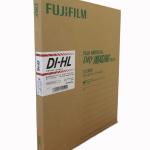
Medical dry thermal and laser film is used for general diagnostic radiology imaging in hospitals and imaging centers, typically in larger formats and higher volumes than other applications.
Veterinary film may have different size and volume needs than a human hospital setting, and veterinary practices often order in smaller, more frequent batches depending on caseload and the range of animal sizes they image.
Dental film is typically a smaller format, ordered more frequently but in lower volume per order compared to hospital radiology film, and dental practices may have different storage space constraints worth discussing with a supplier.
Industrial and non-destructive testing (NDT) film is used for inspecting welds, castings, pipelines, and structural components, and often has different sensitivity, contrast, and exposure requirements than medical film. Industrial buyers should be especially clear about the specific standards or specifications their inspection work needs to meet.
Mammography and specialty diagnostic film, where still in use, has its own resolution and contrast requirements distinct from general radiographic film, and should be sourced with that specific application clearly communicated.
Mentioning your specific application, equipment, and typical order volume when requesting a quote helps a manufacturer point you to the right product line rather than a generic offering, and can also affect pricing and lead time estimates.
Tips for Cost-Effective Purchasing
A few habits go a long way toward getting the best price and long-term value when you buy X-ray film, beyond simply comparing the lowest listed unit price.
- Buy in volumes that match your real usage. Bulk pricing is attractive, but only if the film will be used within its practical shelf life — film that expires or degrades in storage before use erases any savings from a bulk discount.
- Ask for a quote rather than assuming a listed price applies to your order. Because pricing depends on film type, sheet size, order volume, and shipping destination, most manufacturers work on a request-a-quote basis rather than a fixed number, and being specific about your needs upfront gets you a more accurate quote faster.
- Compare manufacturer-direct pricing against your current distributor or supplier, even if you don’t plan to switch immediately. Having a direct quote in hand gives you real leverage in future price negotiations with your existing supplier.
- Ask about lead times upfront so you can plan orders around your facility’s actual usage rather than reacting to a shortage with a rushed, potentially more expensive order.
- Consolidate orders where practical. Fewer, larger orders often reduce per-unit shipping costs compared to frequent small ones, though this should be balanced against shelf-life considerations.
- Factor in total landed cost, not just unit price. Shipping, customs or import fees for international orders, and payment terms all affect what an order actually costs your facility.
- Build a relationship with a consistent supplier. Switching suppliers frequently to chase small price differences can introduce inconsistency in image quality and make it harder to negotiate favorable terms over time compared to a longer-term account with predictable volume.
Getting a Quote
The most efficient way to buy X-ray film directly is to contact the manufacturer with a few specifics ready:
- The film type you need (dry thermal, laser, or conventional)
- Sheet size and format
- Your specific application (medical, dental, veterinary, or industrial)
- Approximate volume per order or per month
- Your shipping destination
- Any compatibility requirements tied to your specific imager or processor
That’s enough for most manufacturers to return a meaningful quote and a current lead time estimate without extended back-and-forth. Being specific upfront also helps the manufacturer flag anything that might affect fit — such as a format they don’t carry, or a volume below their typical minimum order — before you invest time in the conversation.
Buying direct from the manufacturer isn’t the fastest way to get a single box of film today — but for any facility with recurring needs, it’s the path that gets you closer to production cost, clearer answers about what you’re actually receiving, and a supplier relationship that can scale with you as your volume grows.
Looking to buy X-ray film in bulk? Reach out to us with your film type, sheet size, application, and order volume to get a manufacturer-direct quote and current lead time.
Frequently Asked Questions (FAQ)
What factors should I consider when buying X-ray film?
Consider the type and size of the film, compatibility with your X-ray equipment, brand reputation, and specific needs such as resolution quality and sensitivity.
Is it possible to buy used or surplus X-ray film?
Yes, some suppliers and online platforms offer used or surplus X-ray film at discounted prices. Ensure it is in good condition and check expiration dates.
How can I ensure the quality of the X-ray film I buy?
Purchase from reputable suppliers or manufacturers, read customer reviews, and check for product guarantees or certifications.
What is the cost range for X-ray film?
The cost of X-ray film varies depending on the type, size, and quantity. Prices can range from $20 for small dental films to several hundred dollars for larger, high-quality medical films.
Do I need a special license or prescription to buy X-ray film?
Generally, you do not need a license or prescription to buy X-ray film, but some suppliers may require proof of professional use, especially for medical-grade films.